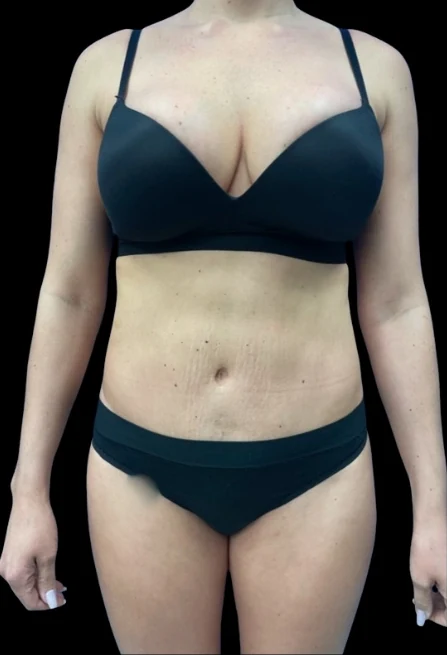
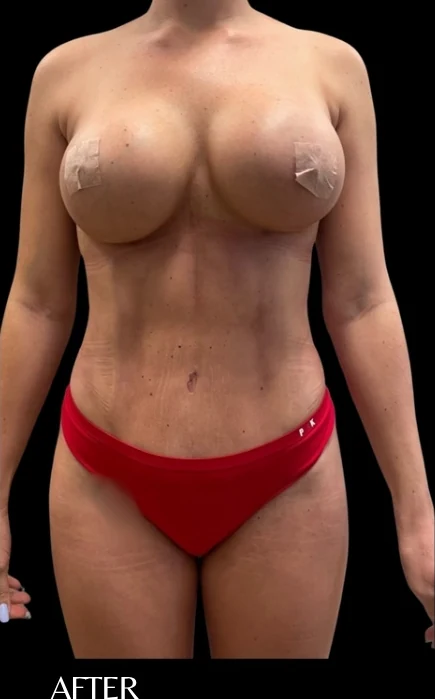
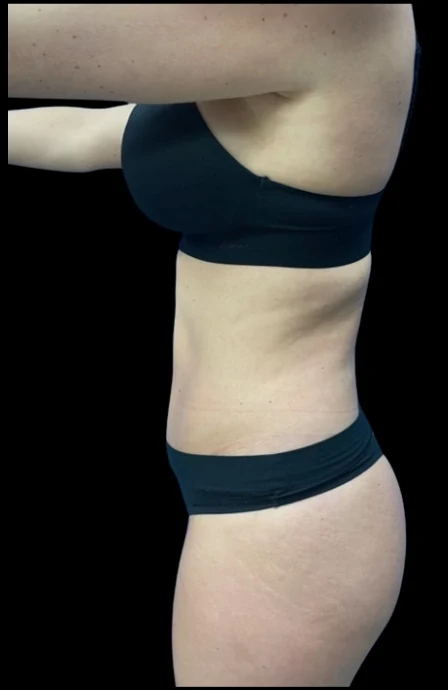
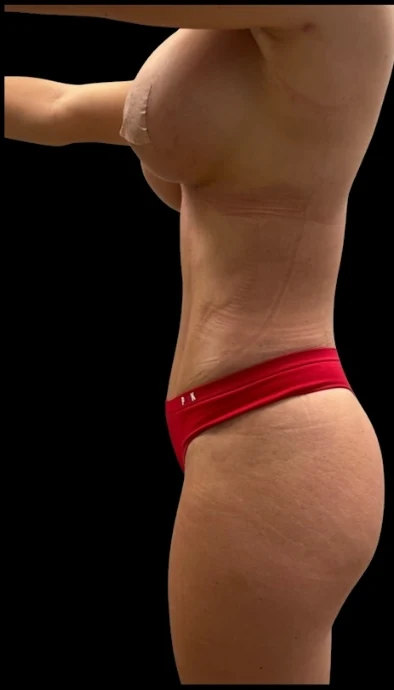
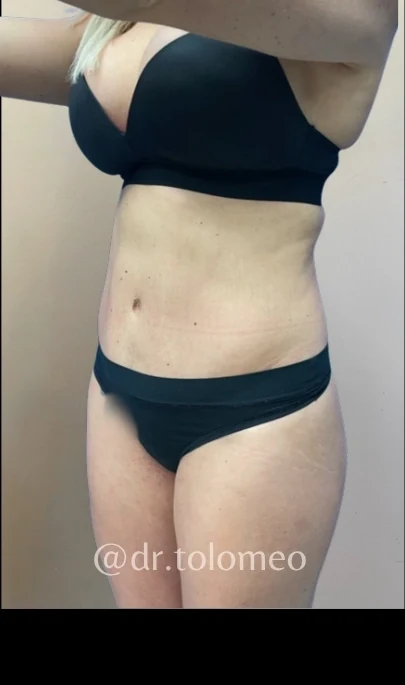
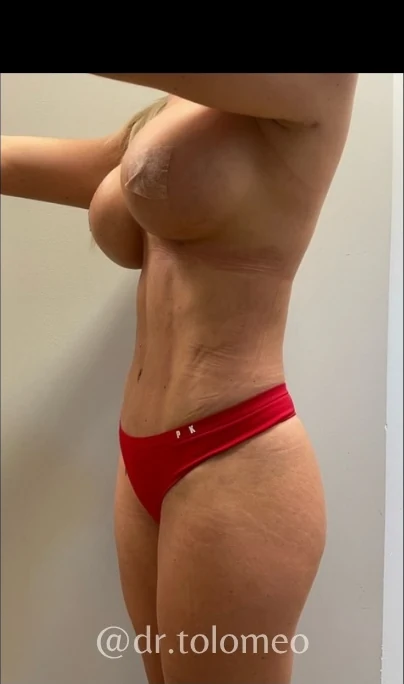
The flagship · Oklahoma City
Breast Augmentation in Oklahoma City.
Breast augmentation adds size and shape to the breasts with implants. An implant is a soft shell filled with salt water or silicone gel. The implant sits behind the breast tissue or behind the chest muscle.
You and your surgeon choose the size and placement together at your visit. Implants do not last a lifetime. Plan on more surgery someday.
How it works
What happens in the operating room.
- You get anesthesia (medicine that makes you sleep).
- The surgeon makes a short cut, most often in the fold under the breast.
- A pocket is made behind the breast tissue or behind the muscle.
- The implant is placed into the pocket and checked for position.
- The cuts are closed in layers with dissolving stitches.
- Surgery takes about an hour. You go home the same day.
The plain-language guide
The same surgery, explained simply — written at an 8th-grade reading level — plain words, no jargon.
Read the guide →Download the PDF →
The honest risk list — read it before your consult
Every surgery has risks. These are the main ones, in plain words — and we go over all of them with you in person.
- A firm scar shell can form and squeeze the implant (called capsular contracture). It can change the shape and can hurt. Surgery can fix it.
- An implant can leak or break over time. Broken implants are replaced or removed.
- Nipple feeling can change. It may increase, decrease, or go away.
- Breastfeeding may be affected for some women.
- A very rare cancer of the scar tissue around some implants has been reported. Ask us about it at your visit.
- Some patients report body-wide symptoms they link to implants. Removing implants is always an option.
- Bleeding. Some bleeding can need another trip to the operating room.
- Infection. Signs are spreading redness, warmth, pus, or fever.
- Scars. Every cut leaves a scar. Most fade over a year. Some stay raised or wide.
- Numb skin near the cuts. Feeling usually returns over months. Small areas can stay numb.
- Blood clots in the legs. A clot can travel to the lungs. That is an emergency.
- Problems from anesthesia (the medicine that makes you sleep). These are rare in healthy people.
- Uneven results. The two sides of the body are never a perfect match.
- The need for another surgery to fix a problem or improve the result.
Recovery, honestly
What the weeks actually look like.
The arc
When to call, day or night
Call 911 or go to the nearest emergency department now — do not drive yourself, do not wait:
- Chest pain or pressure, shortness of breath, or trouble breathing.
- Fainting, sudden confusion, or weakness on one side of the body.
- One leg swells, or one calf hurts more than the other.
- Blood soaks a bandage and does not slow down with gentle pressure.
Otherwise call 405-751-0042, day or night, if:
- One breast becomes much more swollen, tight, or painful than the other.
- You have a fever of 101.5°F (38.6°C) or higher.
- Redness spreads out from a cut, or you see pus.
Cost, answered
What breast augmentation actually costs.
We don’t do internet price tags. Pricing moves with your anatomy, primary versus revision, and what your plan combines — so your consultation ends with one written, all-in number: surgeon, anesthesia, AAAHC-accredited facility, and follow-up included. We honor it.
Questions
Asked at nearly every consult.
How long does the surgery take?
When can I be back at work?
Will there be scars?
What does it cost?
Can I have my surgery in Oklahoma City?
Start here
One conversation. Zero pressure.
Meet the surgeon, get examined, and leave with a written plan and a written number — both yours to keep.